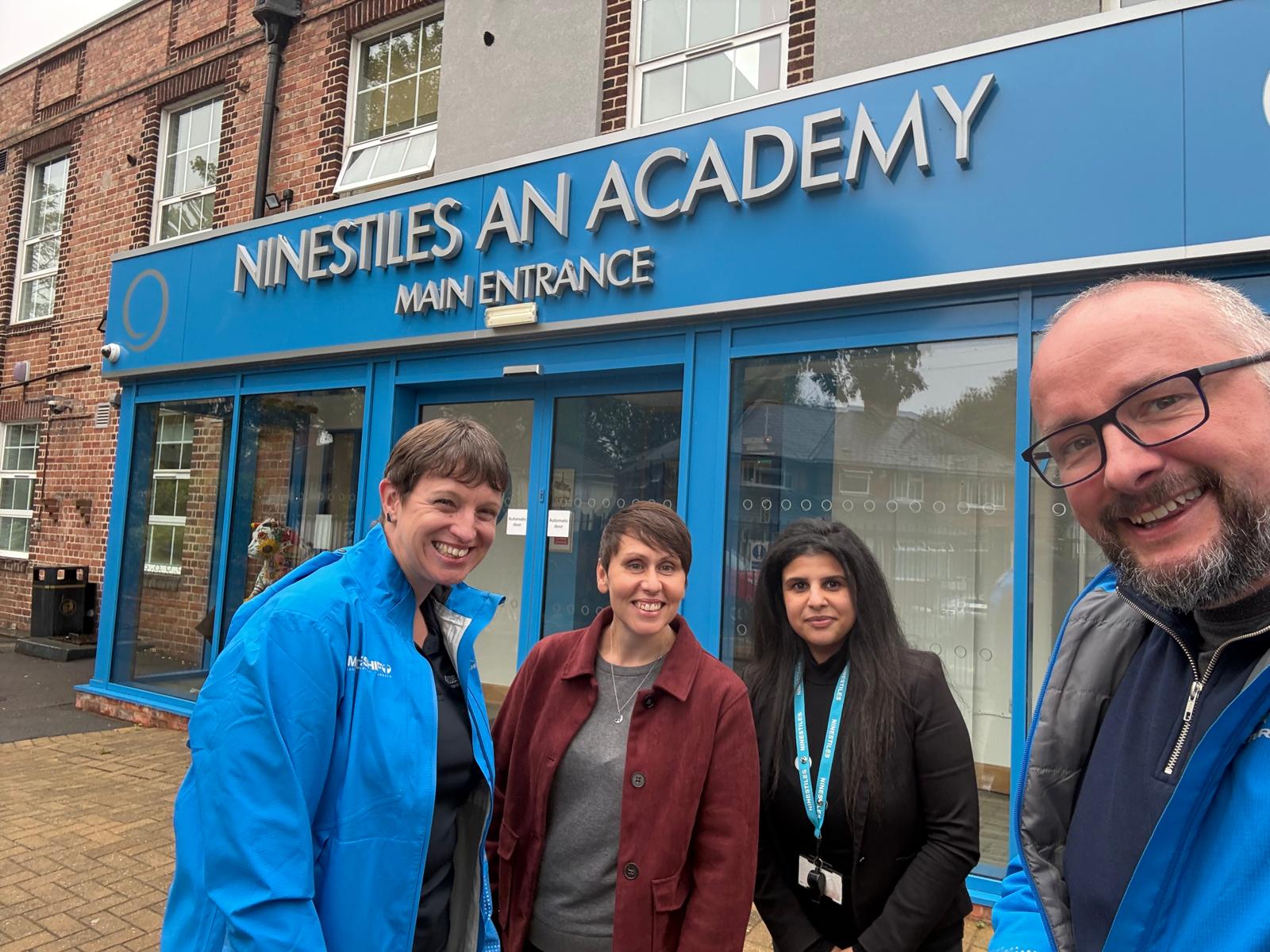
As we look forward to welcoming Professor Scarlett McNally OBE to the National Modeshift Convention2026, we’re pleased to share this guest blog from one of the UK’s leading voices on health and active travel. Scarlett explains why making it easier for people to build movement into their everyday journeys could transform health outcomes, reduce pressure on public services and create happier, healthier communities.
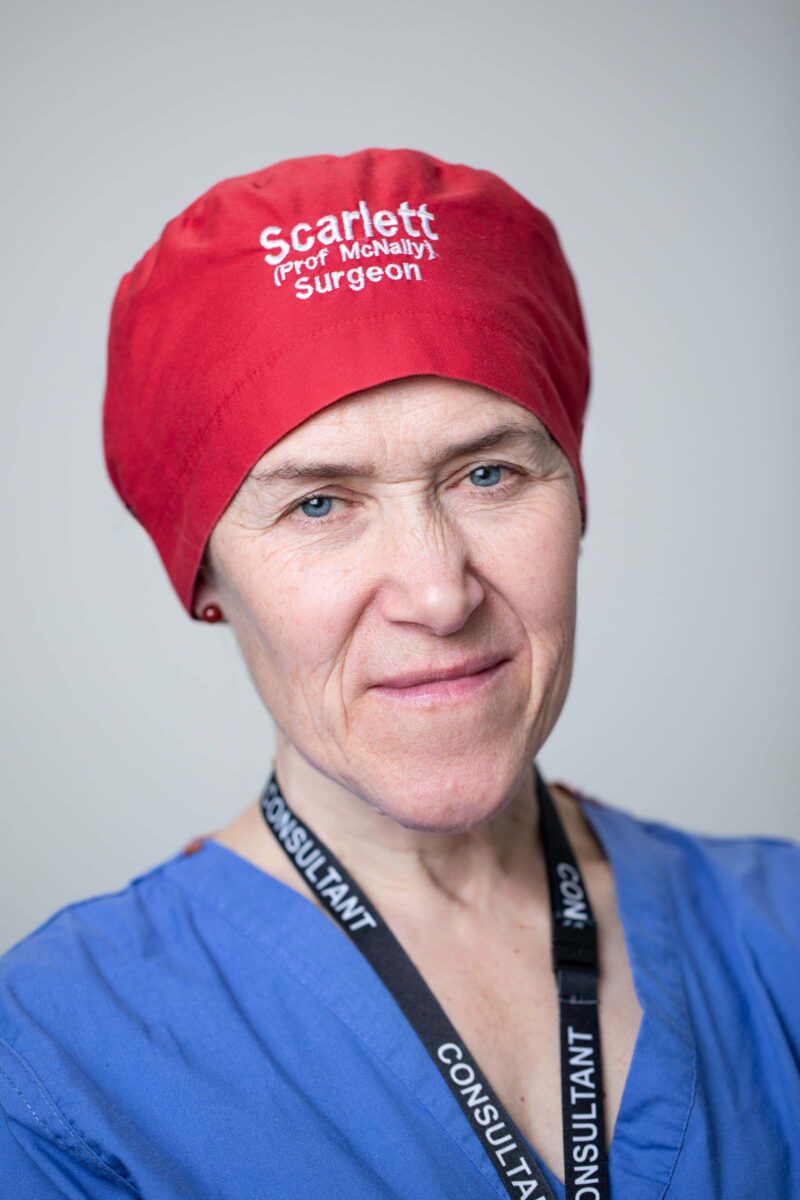
Professor Scarlett McNally OBE BSc MB BChir FRCS(Tr&Orth) MA MBA FAcadMEd HonMFPH MRSPH FRSM FMWF HonFRCoA FBOA
Exercise the miracle cure
I’ve been a surgeon for 30 years, operating on people following road traffic collisions and managing fractures in people whose bones were weak because they were too afraid to go out or had tripped on pavements. I led on a major report called “Exercise the miracle cure” in 2015, showing that exercise at a very small dose (150 minutes per week, or 21 minutes per day) reduces the risk of dementia, depression, diabetes and some cancers by 30%. Exercise also should be part of the treatment for many common conditions. It is really difficult for some people to get the exercise they need. 26% of UK adults do no exercise at all. For most people, transport is the best way of getting exercise into their week, by walking, wheeling, cycling or using public transport.
The reason people don’t make the change is that it feels difficult and unsafe. For an individual, change requires a “why” and a “how”. The how means practicalities. We need cycle parking, maintenance to clear glass from pavements and cycle lanes, lighting around bus stops – that kind of thing. In surveys, women report safety (or lack of it) as being the major barrier to converting to walking, wheeling, cycling or public transport. Electric cycles are amazing – especially for women, older people and people with disabilities. I have three electric-bikes, that I started using when I was very ill and undergoing cancer treatment. You don’t need to be strong and you get exercise from pedalling a bit – it is great to be in control of timing and cost.
The Bristol Declaration
Organisations, governments and policy-makers need to realise the huge harms of car-dependency or “motonormativity”. I led “The Bristol Declaration” on Public Health England’s website. This explains the bad things about car-dependent transport (physical inactivity, congestion, transport poverty, pollution – including diesel/petrol emissions and particulate pollution – from brake and tyre wear so worse with heavier vehicles, eg electric cars). It also explains the good things about active travel and public transport: physical activity and health, social interaction and access to work and education. This declaration lists 10 recommendations about how to improve transport for health – with actions for individuals and organisations. I’d love to see more action at NHS sites – as each is a major trip attractor and an anchor institution in the local community, often being the largest employer. 5% of transport is on NHS business. NHS staff and policies should show the example of
If people were slightly fitter, they would require less NHS care and less social care. For six years, I was Deputy Director of the Centre for Perioperative Care (www.cpoc.org.uk) where we try to get good team-working and we demonstrate that an exercise programme before an operation halves the complications of surgery. So more active travel is good for the economy. We can’t afford to spend over £100 billion on the NHS for conditions that might not have occurred and another £100 billion or more on social care that might not have been needed if people had been able to keep their legs strong (and keep getting to the toilet by themselves).
We can’t just tell people to try active travel for some journeys, we have to change the environment and policies to make it easier. People are so used to having a car available – even though it stays parked 95% of the time. Human brains need habits. We need to make active travel normal. It needs to work even in November and March. Other places do this. (I have waterproof over-trousers in my panniers and I charge my lights when I get home.)
20% of the population are children and 19% are over 65 years old. 37% of children are driven to or from school. We need safer routes for children to get to school and young people to be independent getting to education and employment. That would free up parents to work more (and pay taxes). Active travel makes for happier, healthier people at all ages.
We need 20mph maximum speed where people are. This reduces casualties and fear. Injuries are caused by energy transfer, and energy is 1/2mv2, (proportional to the mass of the vehicle and its speed squared). This means heavier vehicles do more damage and injuries are much worse with every small increase in speed. In 20mph areas, people feel safer to walk, wheel and cycle.
When I’m talking to people who have no intention of stopping driving their car, I explain that it would save their taxes and mean less congestion if other people could make the modal shift to active travel or public transport. So, I encourage them to give each person a bit more space and time – so the more vulnerable person feels safe.
To everyone else – I tell them that active travel is the best thing they can do for their health.
Links:
| My BMJ columns: | https://www.bmj.com/search/advanced/mcnally |
| My website: | www.scarlettmcnally.co.uk |
| Centre for Perioperative Care | www.cpoc.org.uk |
| CPOC infographic on reducing waiting lists: | https://www.cpoc.org.uk/sites/cpoc/files/documents/2023-09/CPOC_Reduce-WaitingListsv2.pdf |
| The report I led: “Exercise the miracle cure” | https://www.aomrc.org.uk/wp-content/uploads/2016/03/Exercise_the_Miracle_Cure_0215.pdf |
| Medical Women’s Federation (especially “campaigns”) | https://www.medicalwomensfederation.org.uk/ |
| The Bristol Declaration (about the link between transport and health) | https://www.fph.org.uk/media/tr2bnurt/the-bristol-declaration-300126.pdf |
Book your place at the National Modeshift Convention & Team Modeshift National Travel Awards 2026