Jonny Ray, Senior Safer Travel Officer, Road Safety & Sustainable School Travel and Peter O’Reilly, HDRC Research Lead (Quant) in Public Health at Surrey County Council will present during the ‘Holistic approach to school travel’ session at the National Modeshift Convention on Wednesday 26 November.
In this Guest Blog, Jonny Ray offers a preview of their Convention presentation, ‘Understanding Effectiveness and Encouraging Excellence in School Travel Planning: A Surrey County Council, Walk Wheel Cycle Trust & University of Surrey Collaboration’
Using the power of behavioral thinking to improve active journeys to school: Surrey County Council is turning science into steps.
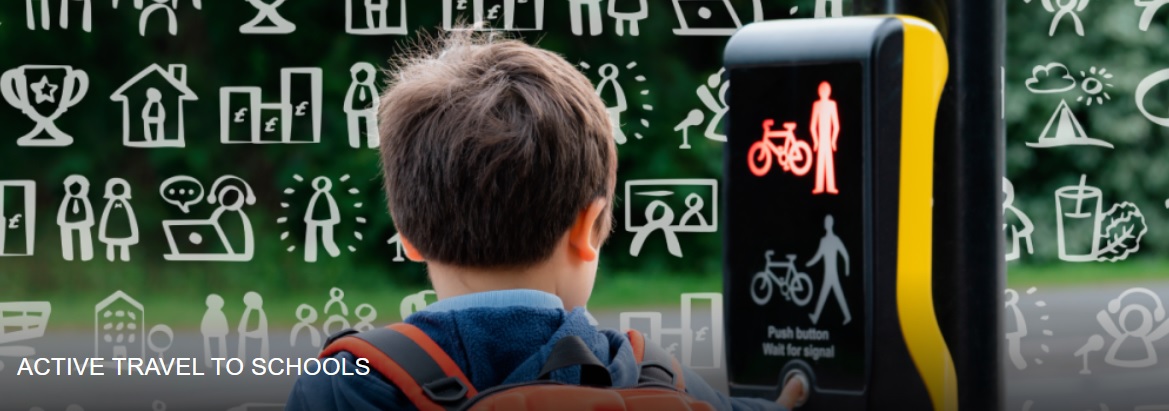
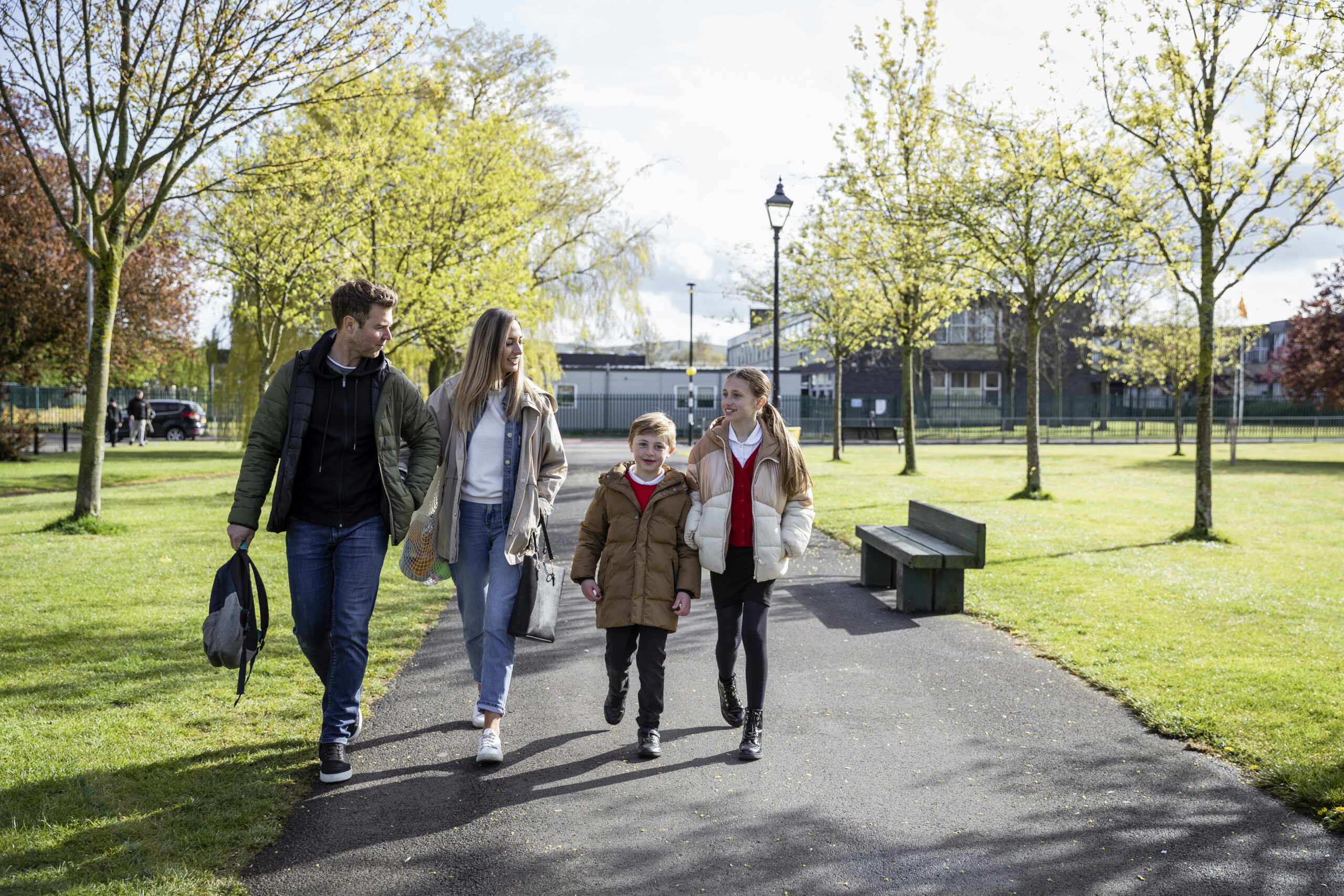
Picture this: It’s a crisp, autumnal morning in stunning Surrey. Outside a local primary school, just before drop off, the usual busy car heavy school run scene unfolds. It’s a daily occurrence that feels routine, but beneath all of this, it’s a missed opportunity for cleaner, greener, healthier journeys which build stronger communities. It’s this vision that is at the heart of a pioneering project led by Surrey County Council (SCC), in collaboration with Walk Wheel Cycle Trust and the University of Surrey’s (UoS) Institute for Sustainability. Funded by Active Travel England’s Capability and Ambition Fund, the project explores how to make Active Travel to School (ATTS) not just possible—but preferable.
Using behavioral thinking: Turning COM-B in Action
To change this travel behavior conundrum, the team turned to behavioural science. Specifically, the COM-B model, developed at University College London. COM-B stands for Capability, Opportunity, and Motivation—three essential ingredients for behaviour change. – Capability: Do people have the physical and psychological ability to walk, cycle, scoot or wheel to school? – Opportunity: Are the social and physical environments supportive? – Motivation: What drives people to choose – or not choose – active travel over convenience? By embedding COM-B into the Modeshift STARS travel planning framework, the project set out to understand—and further down the line, influence—school travel behaviors by first of all uncovering what the indicators of travel planning effectiveness are, before measuring the perceived and actual barriers, alongside the enablers, of school travel planning.
From Insight to Innovation:
The project unfolded in three strategic phases:
Phase I: Learning and Listening
The University of Surrey began by undertaking a systematic review of scientific literature and government reports, which coincided with conducting parent / carer focus groups in schools that had STARS travel plans. This dual approach helped identify and probe the real-world barriers and enablers to ATTS.
Phase II: Designing the STEP Tool
Using these insights, uncovered by the University of Surrey, SCC went about developing the School Travel Effectiveness of Planning (STEP) tool. This innovative tool measures both perceived and actual barriers to effective school travel planning;
assessing the gap between a school’s localised travel plan vs. the perception, barriers and desires of a school community – referring to COM-B.
It was co-created with partner schools and shared with key stakeholders – parent and school staff at a select sample of Surrey’s schools.
Phase III: Piloting Change
Sustrans took the lead in implementing the STEP tool across ten Surrey schools, each at different Modeshift STARS accreditation levels. Sustrans had spent months engaging these schools beforehand. They had also run a program of active travel themed initiatives and received active travel grants to kickstart local initiatives – from bike racks, active travel libraries and innovative behavior change initiatives like The Teen Project, focused on educating and empowering hard to reach audiences.
Looking Ahead: A Model to test and optimise schools’ travel plans
What is our ultimate ambition? Further adoption of the STEP tool across Surrey and beyond to be able to test and optimise what works in different types of schools – primary or secondary; rural or urban. It doesn’t just stop there. There are plans afoot to continue building on University of Surrey’s primary recommendation – to look beyond individual behaviour change and develop a flexible systems-based approach to school travel planning and the selection and implementation of active travel themed initiatives. Supercharged by the STEP tool, we’ll then have the system, as well as the means to test it, available to continue powering Surrey’s approach to school travel planning. This continues to be a story of how science meets community. Of how listening leads to action. And how small steps—taken together—can lead to transformative change to continue making journeys cleaner, greener and healthier, whilst reinforcing stronger communities.
National Modeshift Convention Booking details:
Bookings can now be made at cost here: National Modeshift Convention & National Travel Awards 2025 – but Modeshift Members get exclusive access, including one fully inclusive space as part of their membership and early bird discounts on additional tickets! Keep an eye on your inbox for your unique booking link.