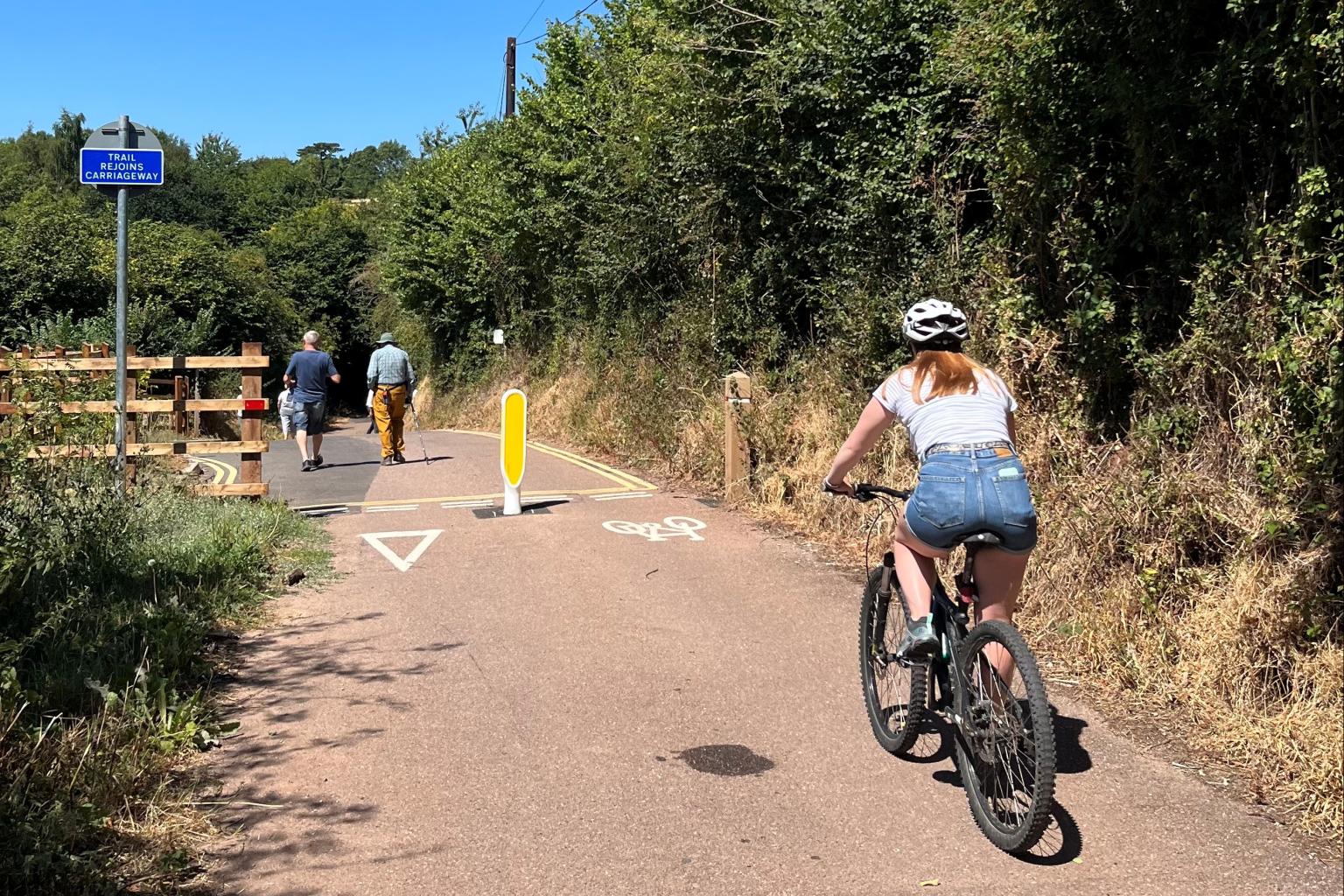
The Government has unveiled its third Cycling and Walking Investment Strategy (CWIS3), setting out an ambitious vision to make walking, wheeling and cycling a normal choice for everyday journeys across England.
The third cycling and walking investment strategy (CWIS3)
The strategy includes a projected £4.5 billion investment over the next five years and sets two headline national targets for 2035:
- 55% of short journeys in towns and cities to be walked, wheeled or cycled
- 60% of children aged 5 to 16 to travel actively to school
The announcement also includes plans to deliver:
- 5,000 new walking, wheeling and cycling routes by 2030
- 10,000 safer crossings connecting homes with schools, transport hubs, high streets and local services
The Department for Transport says the investment will help improve public health, reduce congestion, cut carbon emissions, boost local economies and save households money.
Making everyday journeys easier
At Modeshift, we welcome both the long-term ambition and long-term investment set out in the strategy.
At the heart of this is people. Walking, wheeling and cycling can improve health, reduce transport costs, create more connected communities and make everyday journeys more enjoyable.
The majority of journeys made in England are less than five miles. For many people, those trips can be completed on foot, by bike, by wheelchair or mobility aid, or as part of a journey using public transport.
The challenge is making those options safe, convenient and connected.
That’s why we’re particularly pleased to see a focus on linking homes with schools, transport hubs, high streets and local services. Everyday trip connectivity is essential if more people are going to leave the car at home. Better integration between walking, cycling and public transport makes it easier for people to combine different forms of transport and choose the option that works best for them.
Ambition backed by investment
The new strategy represents a significant commitment from Government and recognises the role that walking, wheeling and cycling can play in addressing some of the country’s biggest challenges.
By encouraging more people to make shorter journeys without a car, the Government estimates the strategy could help free up around 1.7 million GP appointments every year and reduce sick days by 4.4 million annually.
Families could also benefit financially. Government analysis suggests households that no longer need a second car could save around £1,700 each year.
Strong leadership matters. Ambitious targets matter. And action that tackles congestion, improves health and helps address climate challenges is something we can all get behind.
We already know what works
While investment in infrastructure is vital, the evidence shows that physical improvements alone are not enough.
Helping people change travel habits requires engagement, education, encouragement and long-term support alongside safer routes and crossings.
The good news is that we already know what works.
Modeshift’s latest STARS Annual Report demonstrates the impact that effective travel planning and behaviour change programmes can have.
In the 2024/25 academic year:
- Schools using Modeshift STARS generated an additional 978,796 walking, wheeling and cycling journey stages
- Participating schools helped remove an estimated 2,579,833 car trips from the school run annually
- More than 14,000 school-led initiatives were delivered
- Over 2.5 million people took part in activities promoting healthier and more sustainable travel choices
The report also found that 52.14% of pupils at participating schools already travel actively to and from school, while 64.65% said walking, wheeling, cycling or scooting was their preferred way to travel.
These results show that when schools, families and local communities are supported, significant change is possible.
Supporting the journey to 2035
Modeshift is ready to support the ambitions set out in the Cycling and Walking Investment Strategy.
Through our nationally recognised Modeshift STARS programme, Active Travel Inspectors initiative for primary schools and Active Travel Ambassadors programme for secondary schools, we are already helping schools, local authorities and communities create lasting behaviour change across England.
These programmes empower children and young people to take a leading role in improving journeys to school, while providing organisations with the tools and support needed to develop effective Travel Plans and encourage healthier travel choices.
A message from our Chief Executive
Nick Butler, Chief Executive Officer at Modeshift, said:
‘At the heart of this strategy are people and communities whose lives can be improved through walking, wheeling and cycling. We welcome the Government’s long-term ambition and long-term investment to make this happen.
We’re particularly pleased to see a focus on connecting homes, schools, transport hubs and local services. Everyday trip connectivity is essential if we want more people to choose walking, wheeling and cycling, and better integration with public transport will help make these journeys easier and more attractive.
Through Modeshift STARS, Active Travel Inspectors and Active Travel Ambassadors, we’ve seen first-hand how effective travel planning and behaviour change programmes can help people make different choices for everyday journeys.
We look forward to working with Government, Active Travel England, local authorities and partners across the country to help turn today’s ambition into everyday journeys.’